Part DFM
Review draft, wall thickness, gate and ejection effects, surface requirements and assembly features. Any recommended 3D changes return to the customer for approval.
Injection-molded components for electronic products, instruments and industrial equipment need a clear relationship between part design, resin grade, finish and acceptance method. We review the application and drawing before confirming a production scope.
The approved part drawing and sample establish what is being made. Tooling, process and inspection are then matched to that definition.
Review draft, wall thickness, gate and ejection effects, surface requirements and assembly features. Any recommended 3D changes return to the customer for approval.
Specify resin manufacturer and exact grade when required, including color, filler and regrind policy. “Virgin resin” and traceable manufacturer source are different requirements and should be stated separately.
Agree the critical dimensions, measurement method, visual criteria, sample approval, inspection records and packaging needed for the actual part order.
A view of the company molding area.

PA6, PA66, glass-filled PA, PBT, POM, PEEK and PPE+PS can be starting points for a material discussion. Select the exact grade against the part requirements, then check processing and equipment suitability before confirming the production route.
For an enclosure or instrument component, tell us about heat, electrical, chemical, wear, dimensional and appearance requirements. Include the grade, manufacturer and any flame-performance documentation you need reviewed.
Provide the part drawing and target weight so achievable dimensions and weight can be checked against the geometry, material, tool and available equipment.
Reports and declarations must identify their material or part, revision and applicable scope.
For electrical or electronic applications, identify the material or part and the restricted-substance evidence needed. EU RoHS guidance
FCC Part 15 relates to radio-frequency devices and the final equipment. Include enclosure or assembly requirements in the device brief. FCC Part 15
For medical device parts, state the intended use and contact conditions. Check flame requirements against the exact grade and test record. FDA biocompatibility guidance
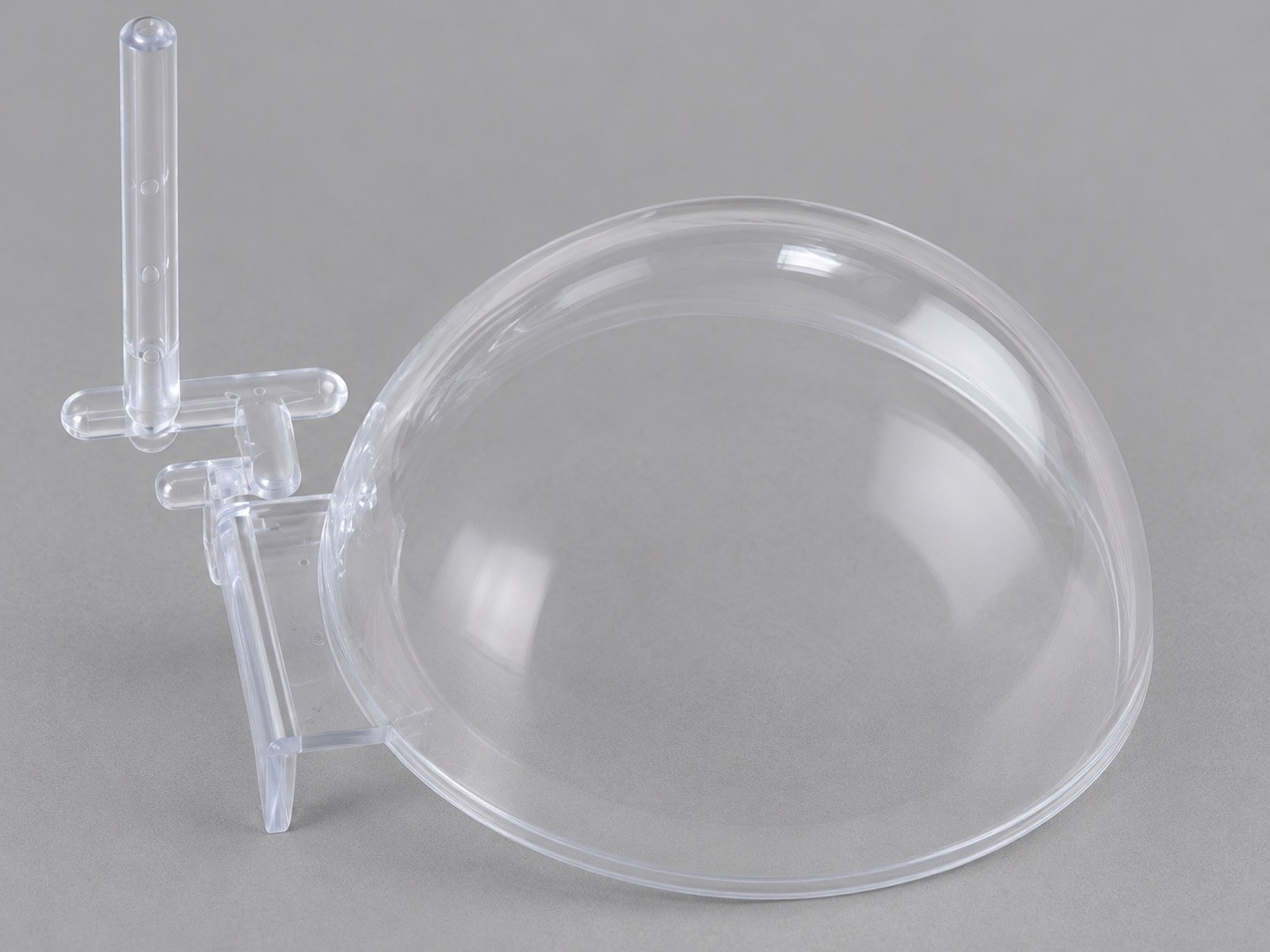
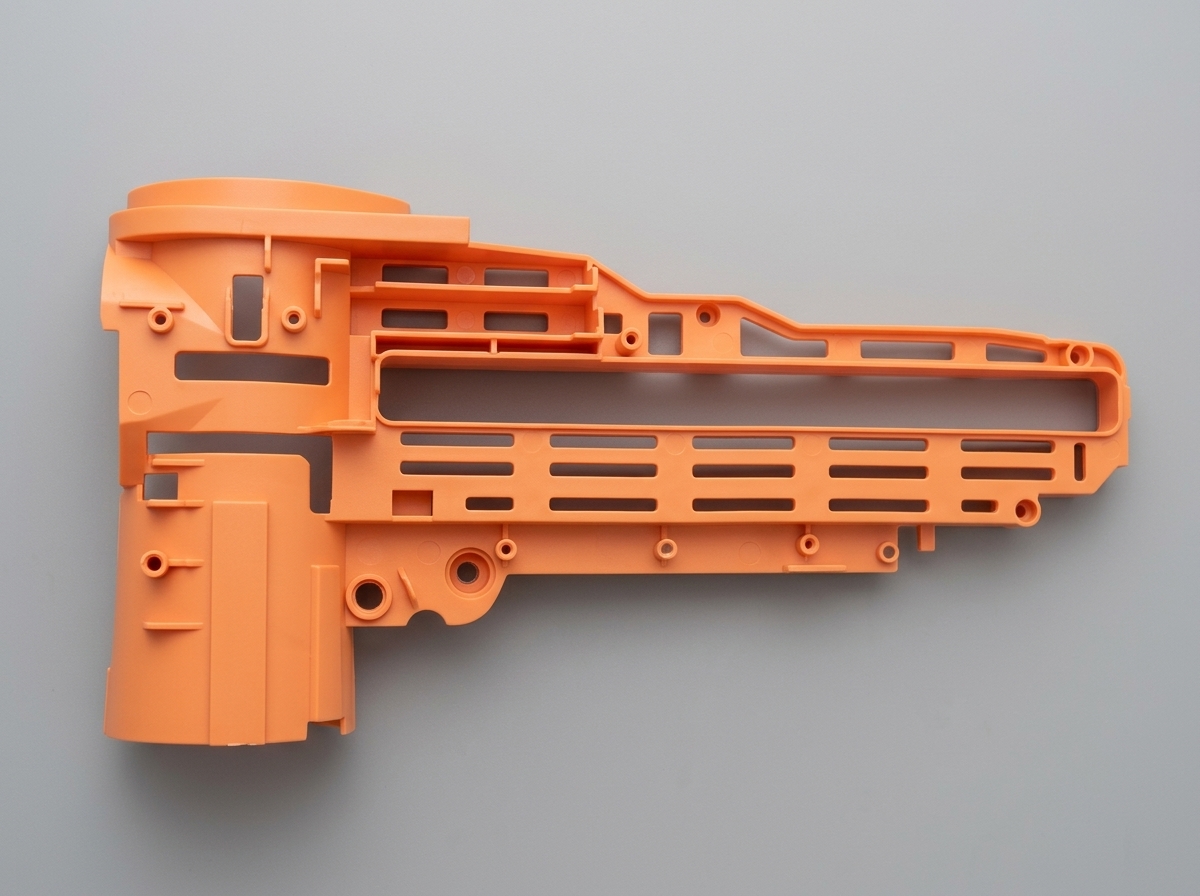
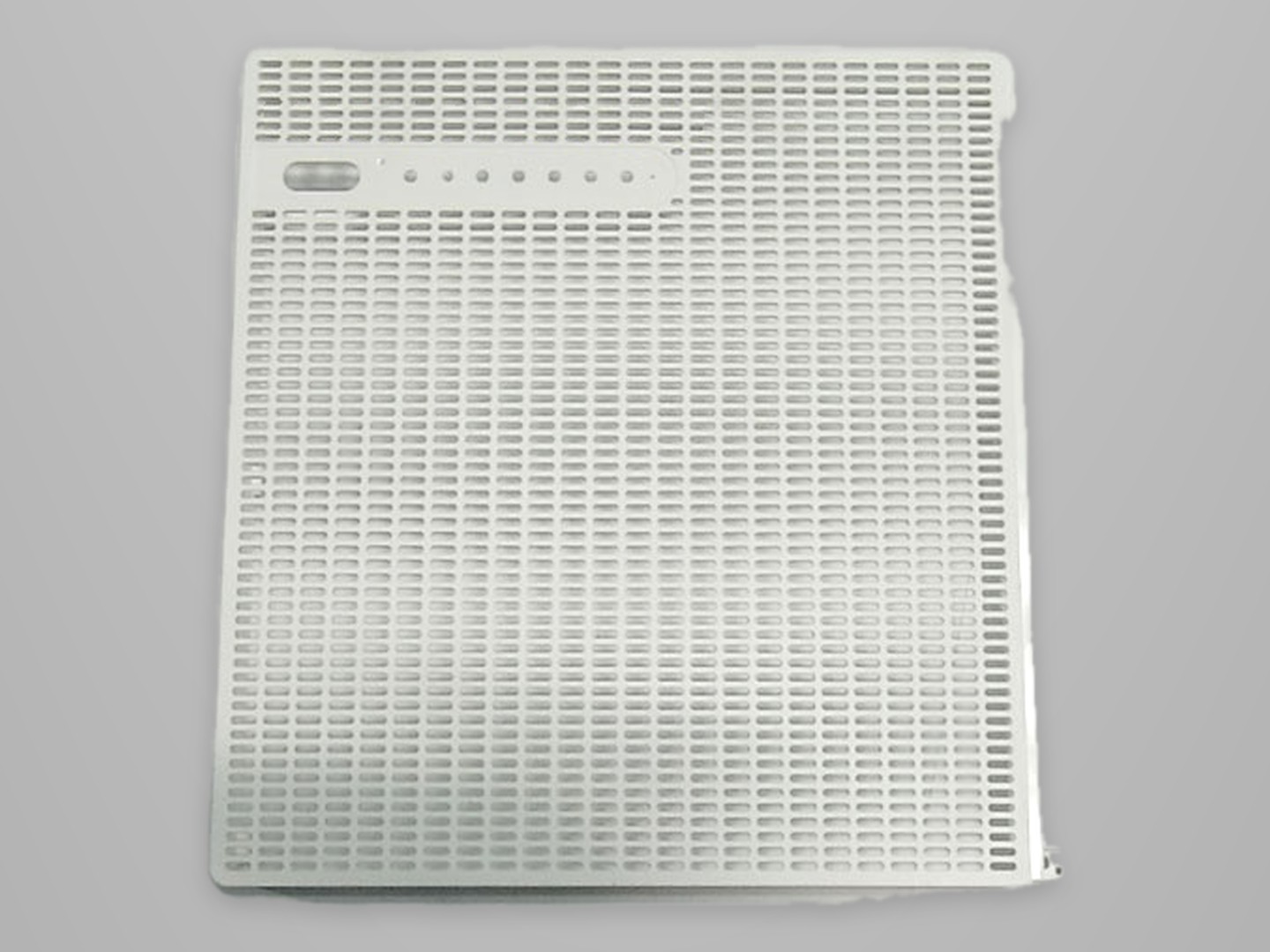
Explore related catalog parts. Images illustrate part types; confirm materials, dimensions and acceptance requirements for your project.
A photo may start the conversation, but a meaningful production scope needs a drawing or 3D model, target material, expected volume and the features that must fit or be measured.
State your manufacturer, grade, traceability, virgin-resin and regrind requirements in the RFQ. They are separate project conditions that should be confirmed in the quotation.
Send the drawing or 3D model, target weight and resin grade. Feasibility depends on the geometry, mold design and available equipment, so the range is confirmed for the specific part.
No. Any declaration or test report must be checked for its named material or part, revision, test conditions and intended application.
Share the application, drawing revision, material requirements, expected quantity and acceptance needs. Sensitive files can be exchanged after an NDA through a channel we agree together.
Request a Quote