Material pairing
Review the exact substrate and overmold grades, temperature exposure and whether chemical adhesion is expected or mechanical retention is needed. Compatibility is checked for the project.
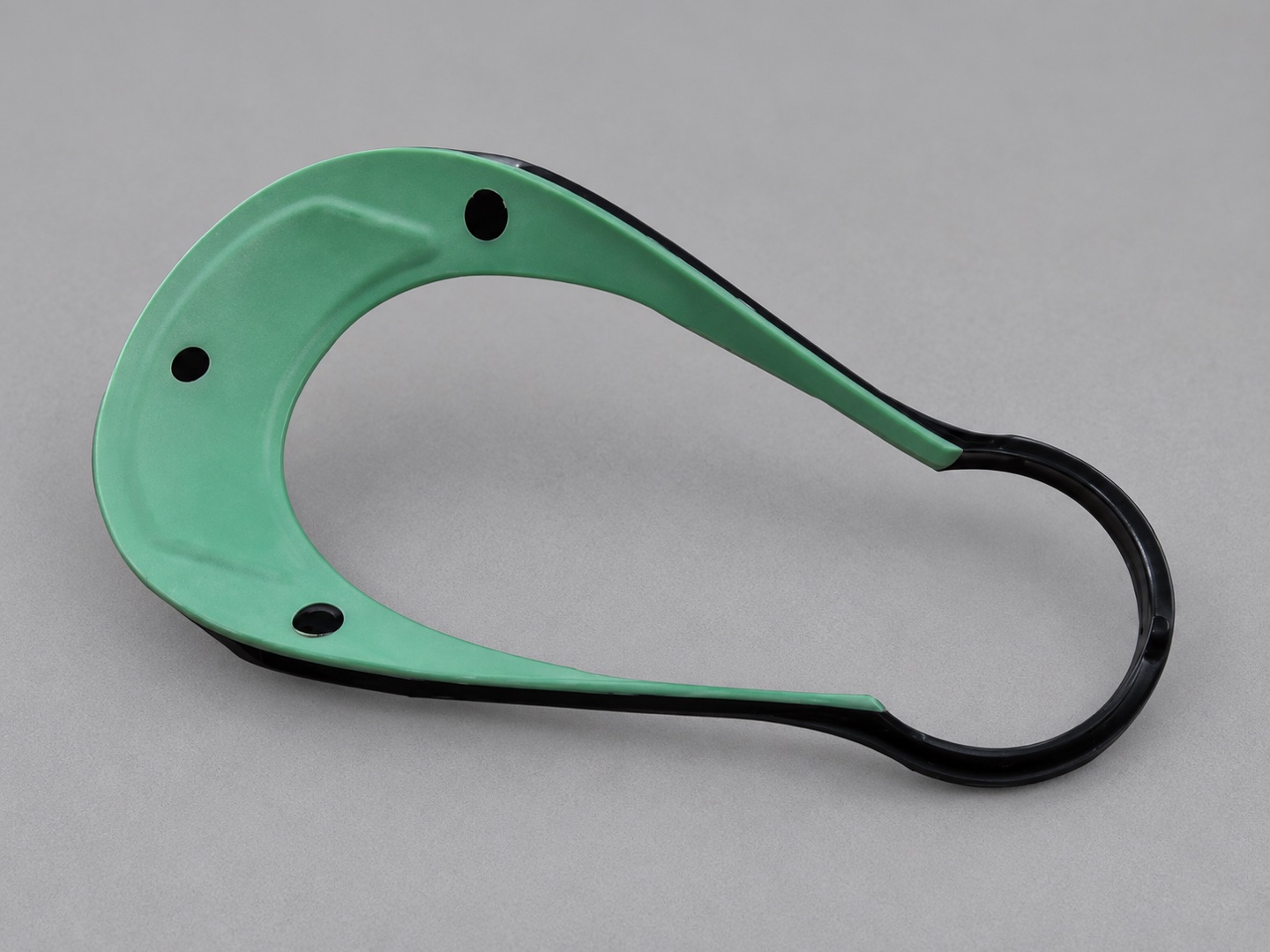
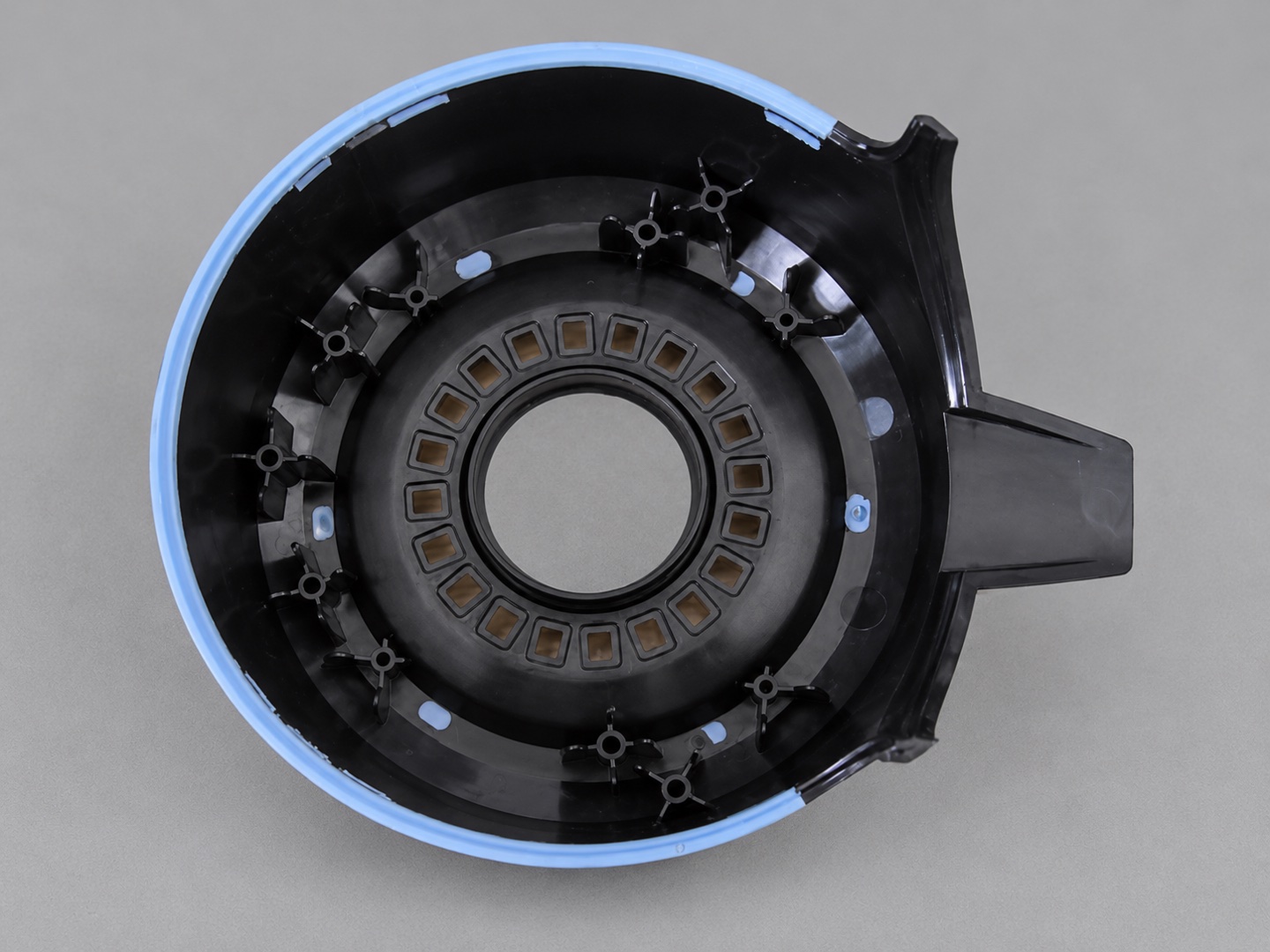
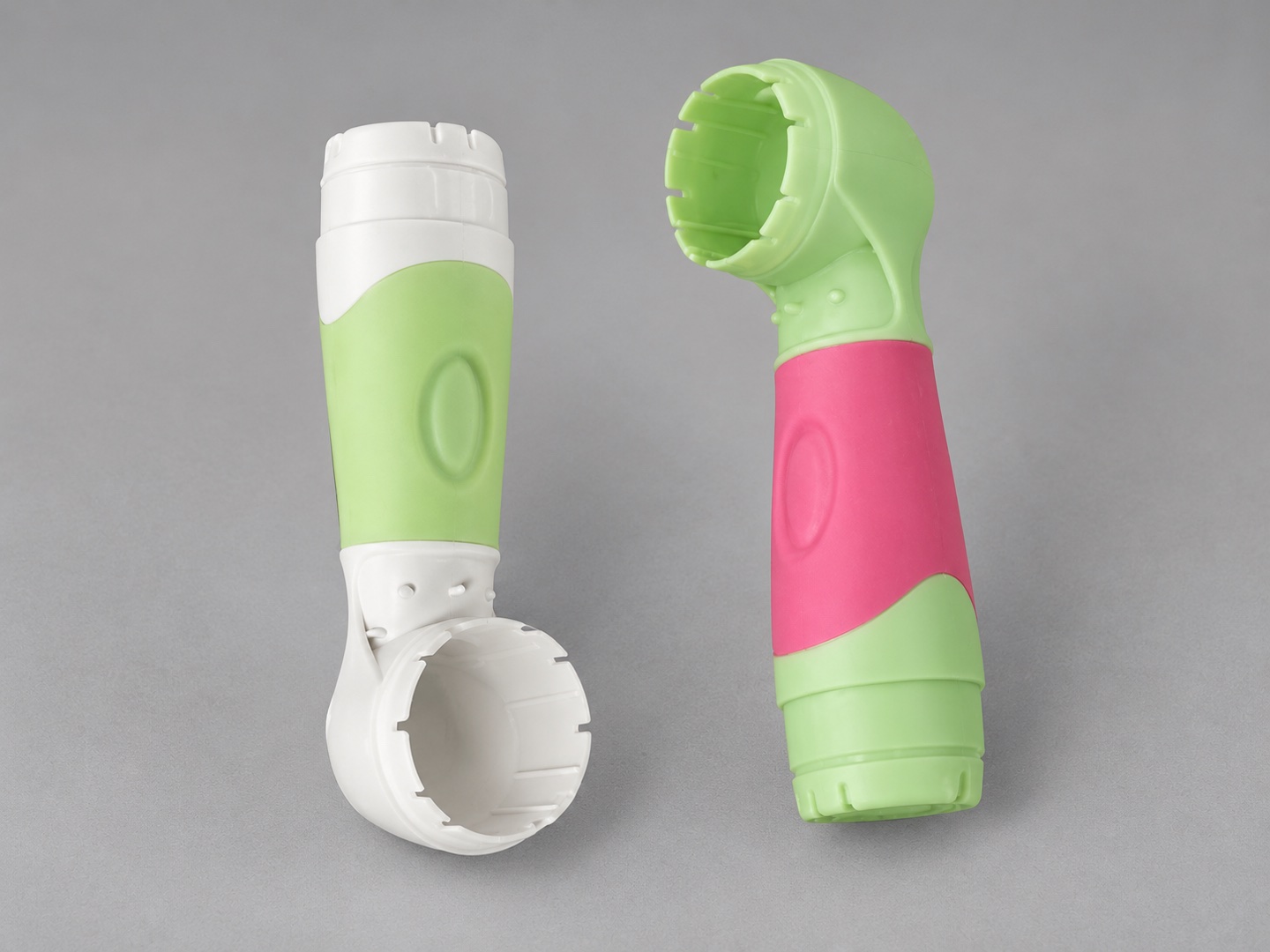
Overmolding can combine a substrate with a second molded material for grip, protection or an interface feature. For electronic components, instruments and industrial equipment, the useful question is how that interface will perform in the intended assembly and environment.
Material pairing, part geometry and process sequence need to be reviewed together. Define the grip, seal or protection the interface must provide before selecting the tooling route.
Review the exact substrate and overmold grades, temperature exposure and whether chemical adhesion is expected or mechanical retention is needed. Compatibility is checked for the project.
Discuss undercuts, through-holes, edge coverage, wall transitions and areas where the second material should not flow. Draft and demolding must work for the selected tool concept.
Define visible boundaries, touch surfaces, compression or grip requirements and how the interface will be inspected. Functional tests are agreed for the intended use.
Overmolding describes the resulting material combination. It does not imply every part is made in one machine cycle or with one specific tool type.
Depending on the substrate, geometry and production plan, a second material may be molded around a preformed part or made through a two-shot process. We review locating, handling, adhesion, gate placement and tooling implications before choosing a route for quotation.
Where an electronic assembly, cable or delicate component is involved, the heat and pressure of molding must be assessed against that item's limits. The customer should identify protected surfaces and any electrical or environmental tests required for the finished assembly.
Explore related catalog parts. Images illustrate part types; confirm materials, dimensions and acceptance requirements for your project.
No. The process may use a preformed substrate and a later molding operation or another agreed route. Tooling and handling are selected from the part design and volume.
Compatibility depends on exact grades, surface condition, geometry and process. We review the pairing and agree any adhesion or retention testing needed for the application.
Provide both material requirements, drawings for the substrate and finished part, interface or grip intent, appearance zones, estimated quantity and required tests.
Describe the function first: grip, sealing, strain relief or surface protection. Then identify the relevant loading, temperature, chemicals or use cycles and agree the sample method and acceptance criteria for the finished part.
Share the application, drawing revision, material requirements, expected quantity and acceptance needs. Sensitive files can be exchanged after an NDA through a channel we agree together.
Request a Quote