Insert location
Define orientation, datums, anti-rotation features and how the insert will be loaded and retained in the tool. Feeding or fixture methods depend on the actual insert and quantity.
Metal inserts can be captured in molded plastic components for electrical, fastening or mechanical interfaces. For electronic and industrial equipment parts, insert geometry, supply condition, placement and inspection must be defined before tooling is approved.
The metal part and plastic geometry together determine how the insert is held during molding and how the finished part is checked.
Define orientation, datums, anti-rotation features and how the insert will be loaded and retained in the tool. Feeding or fixture methods depend on the actual insert and quantity.
Review surrounding wall thickness, flow paths, shrinkage, release and possible stress around the insert. Proposed geometry changes require customer approval.
Agree which metal-to-plastic positions, exposed surfaces, pull or torque performance and electrical features need measurement or testing.
A quotation should state whether the customer supplies inserts or whether sourcing is part of the agreed scope.
Share the insert material, finish, drawing revision, dimensional variation, packing condition and any burr or cleanliness requirements. These details can change locating and inspection methods. Metal insert sourcing or fabrication should only be included when explicitly agreed.
A tight feature tolerance should be stated for the specific measured feature, with its datum and measurement conditions. A tolerance for the metal insert, mold component or finished plastic assembly cannot be substituted for another.
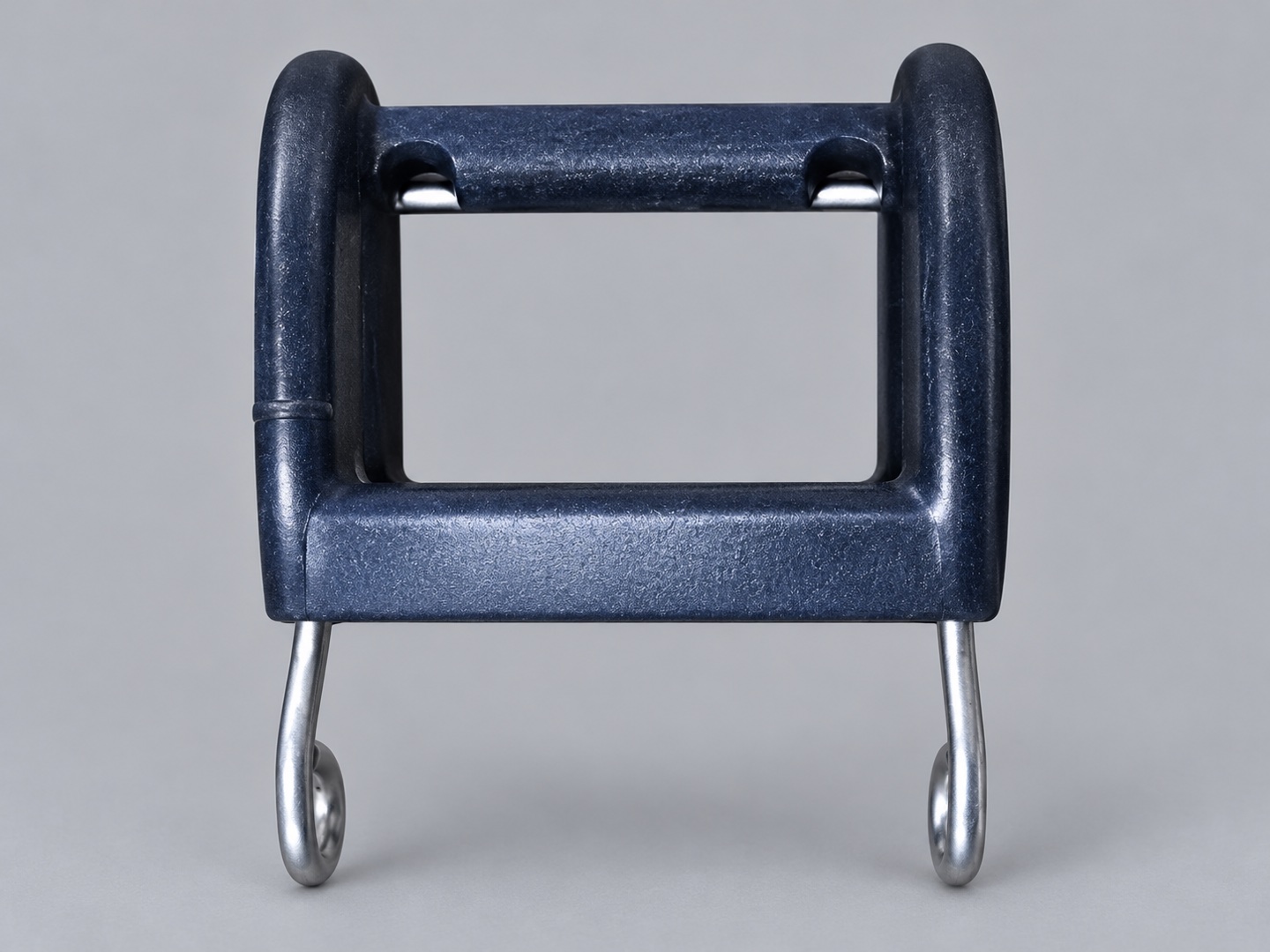
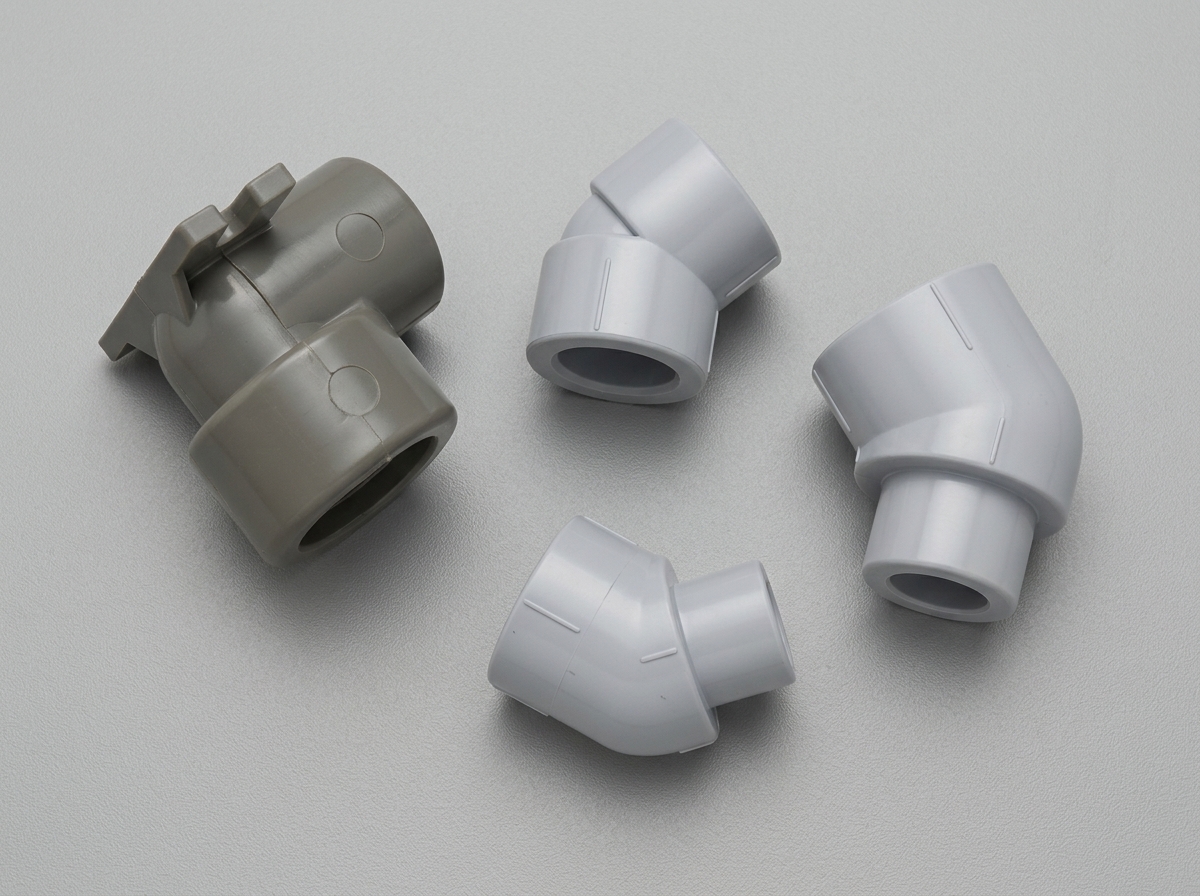
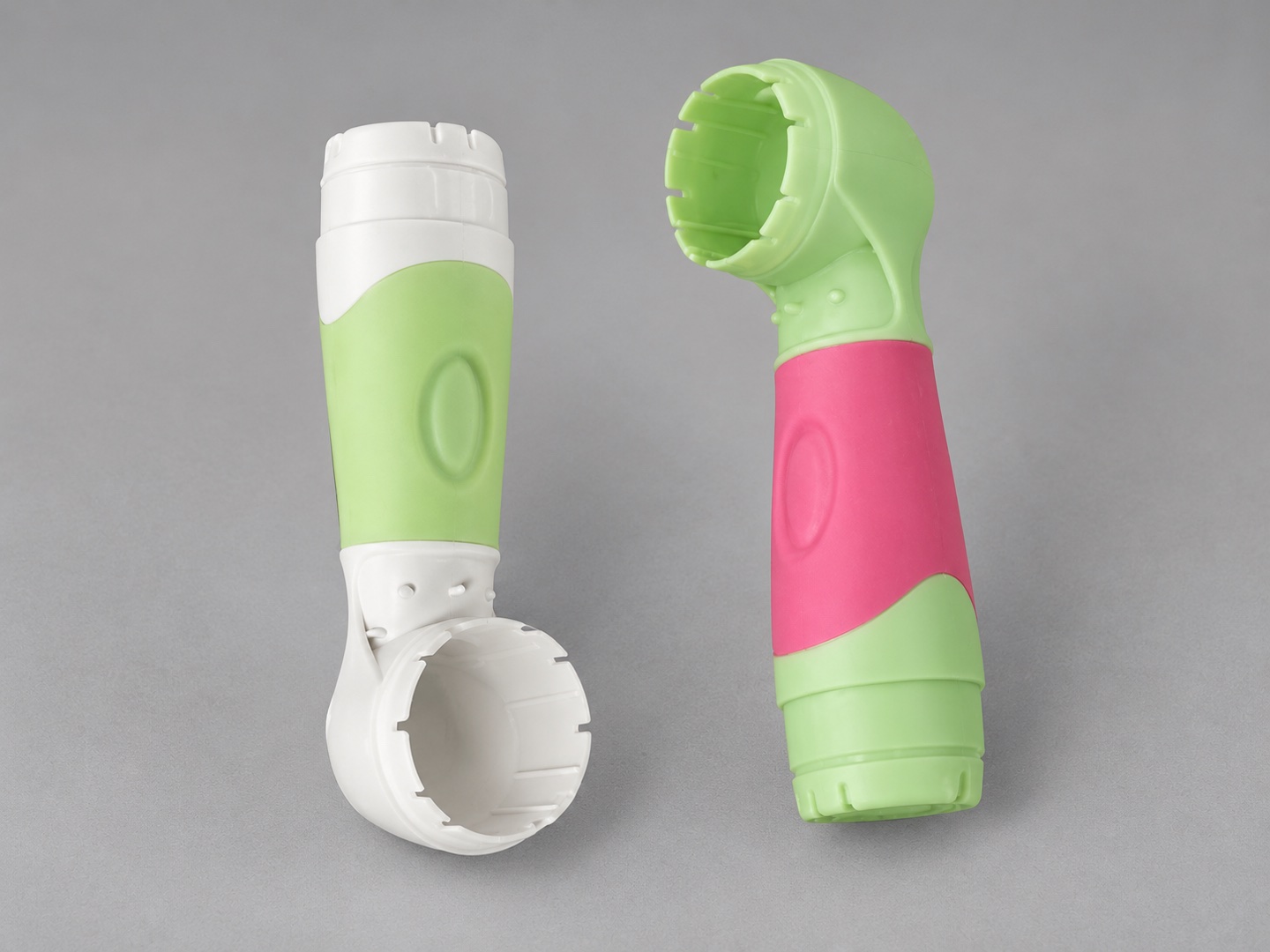
Explore related catalog parts. Images illustrate part types; confirm materials, dimensions and acceptance requirements for your project.
Yes, that can be discussed. The insert drawing, condition, variation, packaging and quantity should be included in the RFQ so loading and inspection can be planned.
Agree who supplies the inserts in the quotation. For sourcing review, provide the insert drawing, material and finish specification, expected quantity, inspection requirements and approved supplier conditions if any.
Specify the critical datum relationships and any pull, torque, electrical or other functional test. The method, sample plan and acceptance limits are agreed for the part.
No. Material, insert variation, geometry and measurement conditions differ. Each critical feature needs its own agreed tolerance and inspection method.
Share the application, drawing revision, material requirements, expected quantity and acceptance needs. Sensitive files can be exchanged after an NDA through a channel we agree together.
Request a Quote